Introduction
In an age where sustainability is ending up being significantly crucial, the concept of eco-friendly paint has actually become a prominent choice for home owners wanting to revamp their rooms. Not only does this approach substantially decrease ecological effect, but it also improves the health and wellness and wellness of those staying in these rooms. This write-up will assist you with various facets of green painting, providing practical ideas and services for a sustainable makeover. So, allow's dive into the colorful globe of green paints!
Eco-Friendly Painting: Tips for a Sustainable Makeover
What is Eco-Friendly Painting?
Eco-friendly painting refers to making use of low-VOC (unpredictable natural substances) or zero-VOC paints that minimize hazardous exhausts throughout and after application. These paints are often made from natural materials like plant oils, minerals, and other non-toxic substances, making them more secure for both the environment and human health.
The Relevance of Environment-friendly Paints
Why should you think about green paints? They are not simply stylish; they use many benefits, including:
- Reduced health dangers associated with hazardous fumes Improved indoor air quality Sustainable sourcing of materials Lower ecological impact Better lasting durability
Choosing the Right Eco-Friendly Paint
When selecting an environment-friendly paint, it's essential to look beyond just labels. Below's what to take into consideration:
Understanding Paint Labels
Paint labels can be misleading. Seek certifications such as Green Seal or EcoLogo, which indicate that the item fulfills rigorous ecological standards.
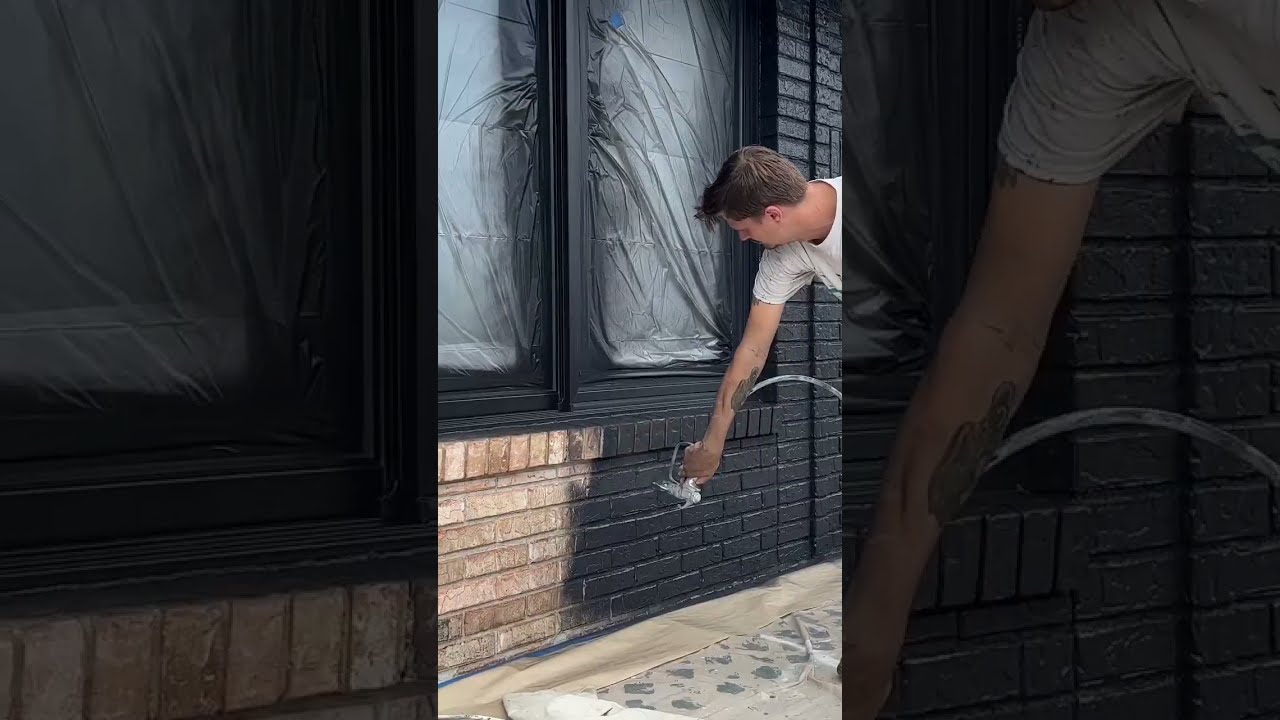
Types of Environmentally friendly Paints
Natural Paints: Made from natural active ingredients like clay, chalk, and plant oils. Low-VOC Paints: Includes fewer unpredictable organic substances contrasted to typical paints. Milk Paint: An old formula made from milk protein (casein), lime, and all-natural pigments.Preparing Your Room for an Environmentally Friendly Makeover
Preparation is key in any type of paint project. Here's just how to prepare your space sustainably:
Declutter Before You Begin
Before also considering opening a canister of paint, declutter your area. Give away unwanted products or recycle them whenever possible.

Use Eco-Friendly Decline Cloths
Instead of plastic ground cloth that might end up in landfills, choose multiple-use cotton or canvas decline cloths.
Tools and Products for Eco-Friendly Painting
Using the right tools can make all the difference in your painting experience.
Opt for All-natural Brushes and Rollers
Choose brushes made from natural bristles rather than artificial ones. For rollers, search for covers made from recycled materials.
Water-Based Cleaners
When cleansing your tools post-painting, use water-based cleansers that are much less damaging than solvent-based options.
Painting Strategies That Reduce Waste
Minimizing waste isn't practically what you get rid of; it also incorporates how you apply your paint effectively.

Efficient Application Methods
Use methods like "cutting in" before rolling to stay clear of excess paint drips and spills.
Leftover Paint Solutions
What do you perform with remaining paint? Consider contributing it to local institutions or community centers instead of throwing it out.
Creating an Indoor Air Quality Renovation Strategy Post-Painting
After paint is total, it's time to improve interior air top quality even more:
Ventilation Strategies
Open windows and doors while enabling fresh air blood circulation throughout your home post-painting.
Air Detoxifying Plants
Consider incorporating air-purifying plants like spider plants or peace lilies that help filter out toxins.
Long-Term Care for Your Eco-Friendly Painted Surfaces
Once you've painted your space sustainably, keeping its stability is essential:
Regular Cleansing Tips
Use gentle cleansers that won't harm the finish or release harmful chemicals back right into your home environment.
Touch-Up Procedures
Keep remaining paint convenient for touch-ups without needing a complete re-coat every couple of years.
Why do it yourself Is Better for Sustainability?
Many individuals ask yourself if DIY tasks really contribute to sustainability efforts:
Cost-Effectiveness of DIY Painting
Taking on a painting task yourself can conserve cash while making certain thoughtful choices straighten with lasting practices.
Skill Development
Working on your home not only permits you to find out important skills https://simonrgkp539.lucialpiazzale.com/choosing-the-right-paint-a-comprehensive-overview-for-homeowners yet additionally develops individual fulfillment in understanding you contributed to its appeal sustainably.
Collaborating with Professionals Who Prioritize Sustainability
If doing it on your own isn't viable, consider employing specialists who specialize in environment-friendly methods:
Researching Sustainable Contractors
Look at testimonials or ask inquiries concerning their dedication to utilizing non-toxic products and lasting approaches before working with anyone.
Common Misconceptions Concerning Eco-Friendly Paint Debunked
There are numerous myths concerning environmentally friendly paints that require resolving:
Myth: Eco-friendly paints don't carry out as well.- Reality: Lots of environment-friendly alternatives currently offer excellent coverage and durability comparable to typical paints.
- Reality: While some alternatives may cost more upfront, they frequently save cash long-lasting because of sturdiness and reduced health and wellness prices connected with hazardous exposure.
- Reality: Today's market provides a comprehensive range of shades even within green lines!
Frequently Asked Concerns (Frequently asked questions)
1. What are VOCs?
VOCs are unstable natural substances found in many standard paints that can contribute to inadequate interior air top quality and health issue when inhaled over time.
2. Exactly how do I recognize if my paint is green?
Look for accreditations such as Environment-friendly Seal or Low-VOC labels on the paint container indicating compliance with ecological standards.
3. Can I mix different kinds of environment-friendly paints?
While it's usually secure to mix comparable kinds (e.g., 2 low-VOC latex paints), always speak with producer standards initially prior to trying any type of mixtures!
4. Exist economical options for environmentally friendly paints?
Yes! Several brands now use economical selections without sacrificing quality; always compare rates between brand names prior to purchasing!
5. How much time does it take for green paint smells to dissipate?
Usually within a couple of days after application yet boosting air flow will certainly expedite this procedure greatly!
6. Is there a difference in between interior and exterior green paints?
Absolutely! Exterior paints should stand up to harsher aspects which implies they may consist of various formulations compared to indoor varieties-- constantly select as necessary based on usage needs!
Conclusion
Eco-friendly painting stands for not simply a fad however an activity in the direction of much healthier living environments while being type in the direction of our planet-- a great deal! By making mindful decisions about products used throughout your following remodeling job-- from picking low-VOC items down through proper prep work methods-- you'll be contributing positively toward sustainability goals while developing stunning spaces matched perfectly simply for YOU! So why wait? It's time all of us rolled up our sleeves with each other-- allow's start on this colorful trip towards greener living!